
PVC Insulated Power Cable (VV / VLV)
Polyvinyl chloride insulated and sheathed power cable for general power distribution where XLPE is not required. Economical and widely used in buildings and industry.
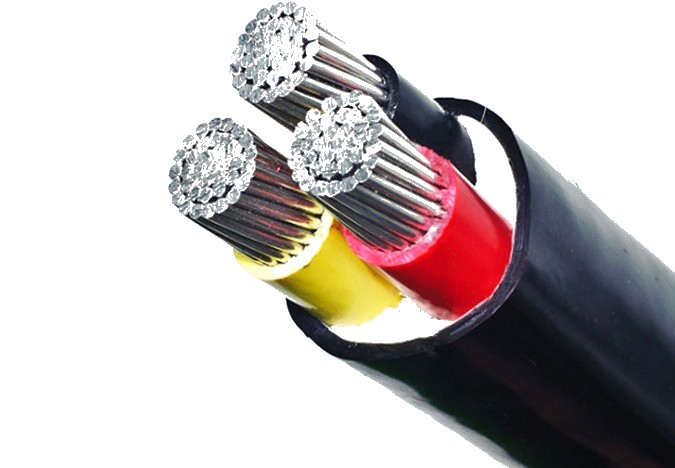
Product photo
PVC Insulated Power Cable (VV / VLV)
Polyvinyl chloride insulated and sheathed power cable for general power distribution where XLPE is not required. Economical and widely used in buildings and industry.
Key Features
- Rated voltage 0.6/1 kV
- Copper or aluminium conductors
- Good mechanical protection with steel-tape armour
- Suitable for fixed indoor and outdoor installation
Technical Specifications
PVC Insulated Power Cable (VV / VLV) — typical values
| Parameter | Specification |
|---|---|
| Rated voltage U0/U | 0.6/1 kV |
| Conductor | Cu or Al, Class 1 / Class 2 |
| Insulation | PVC (TI1 / TI2) |
| Sheath | PVC (ST1 / ST2) |
| Max. conductor temp. (normal) | 70 °C |
| Test voltage (AC, 5 min) | 3.5 kV |
Construction
- 01Conductor
- 02PVC insulation
- 03Filling / inner sheath
- 04Armour (optional)
- 05PVC outer sheath
Applications
Power distribution · Industrial plants · Commercial buildings · Infrastructure
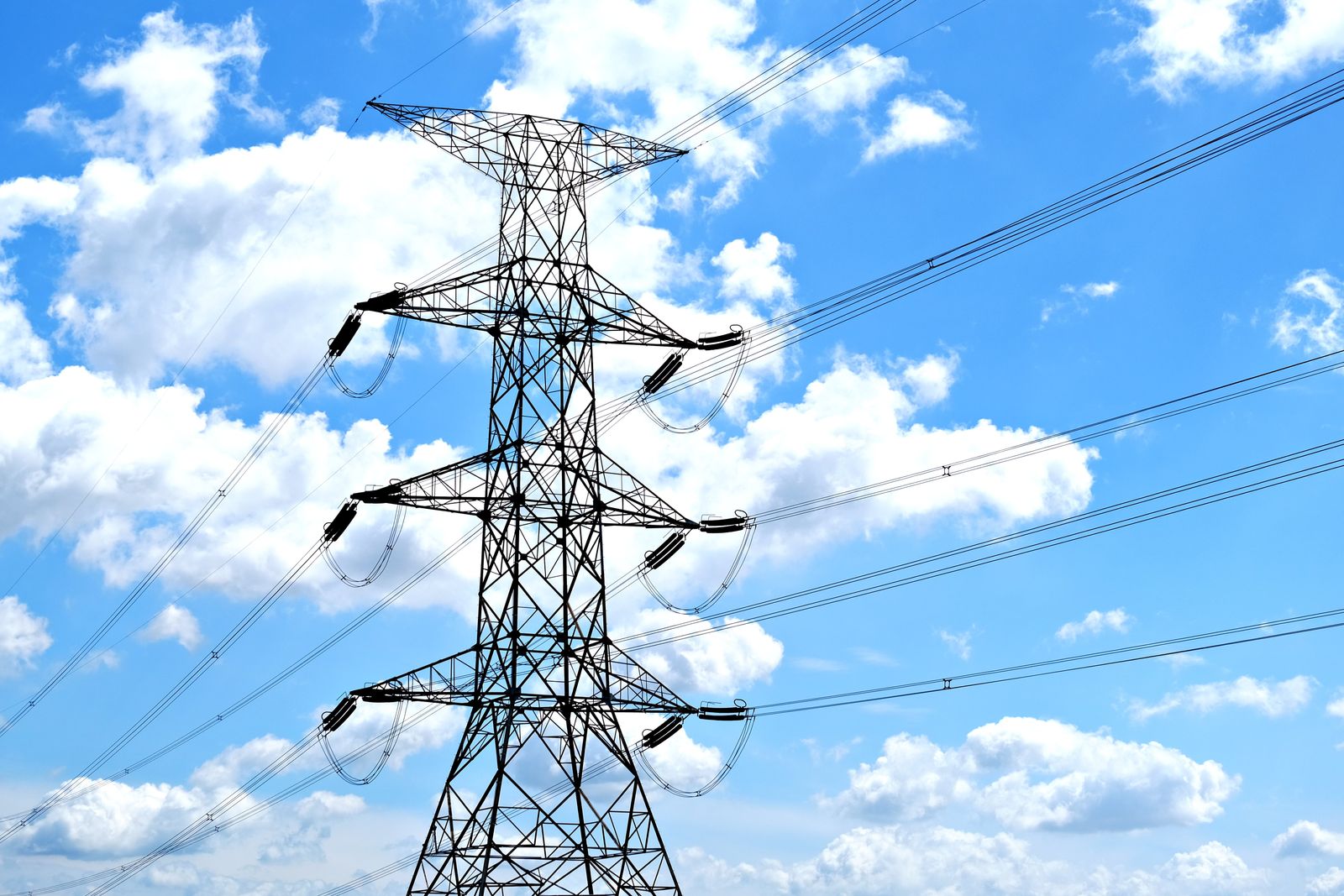
Power Distribution
Reliable energy transmission from source to endpoint
Construction & Building
CCC-certified wiring for safe, code-compliant buildings
Infrastructure & Public Works
Life-safety cables for metros, tunnels and public buildings
Energy Projects
Cables engineered for demanding energy sites
Renewable Energy
Solar and wind cabling for a cleaner grid
Standards & Compliance
Certificate copies are available on request — see Certifications.
Manufacturing Process
Conductor stranding → PVC insulation → cabling → sheathing → optional armouring → testing.
Quality Inspection
- Conductor resistance
- Voltage withstand
- Dimensions
- Insulation / sheath checks
Packaging & Shipping
Wooden or steel drums, sealed ends, moisture protection.
Related Products
Further reading
Frequently Asked Questions
When should PVC be chosen over XLPE?
PVC power cable is a cost-effective choice for general distribution at 0.6/1 kV where the higher temperature rating of XLPE is not required.
Official verification sources
The standards, directives and classification codes referenced on this site can be checked against these official texts. Document status is shown as published by the issuing body.
- European Commission / EUR-Lex— Directive 2014/35/EU (Low Voltage Directive), Article 1Official reference (document status, not our certification scope)official source ↗
- European Commission / EUR-Lex— Directive 2011/65/EU (RoHS), consolidated text 01/02/2024Official reference (document status, not our certification scope)official source ↗
- European Commission / EUR-Lex— Regulation (EU) No 305/2011 (Construction Products Regulation)In force (document status, not our certification scope)official source ↗
- International Electrotechnical Commission (IEC)— IEC 60502-1:2021, Edition 3.0, TC 20 (publication 64963)Official reference (document status, not our certification scope)official source ↗
- United Nations Statistics Division (UNSD)— Harmonized System 2017, heading 8544 and six-digit subheadingsOfficial classification data (document status, not our certification scope)official source ↗
- International Organization for Standardization (ISO)— ISO 9001:2015 — Quality management systems — Requirements, standard 62085Withdrawn edition (document status, not our certification scope)official source ↗